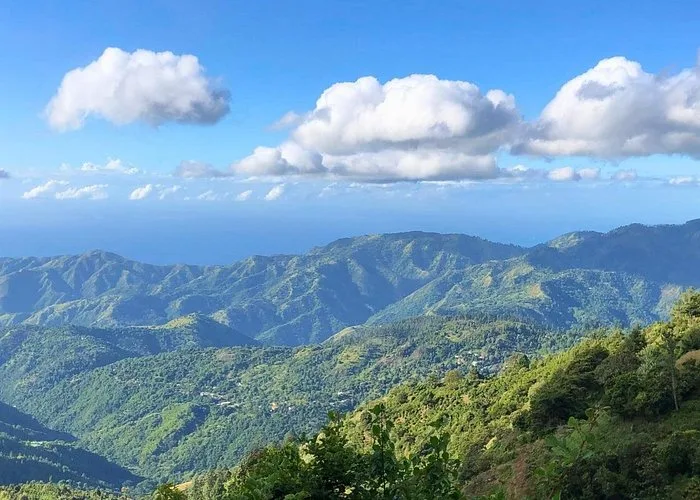
Blue Mountain Peak is the hike people ask about first and underestimate most.
It is Jamaica’s highest summit, one of the island’s classic bucket-list routes, and absolutely worth doing. It is also the kind of trail that exposes weak preparation fast. The combination of elevation, early start, mountain weather, and hours on your feet makes this a serious day even for people who exercise regularly.
If you are researching Blue Mountain Peak hike difficulty, the short answer is simple: it is hard for beginners, manageable for prepared hikers, and unforgettable for almost everyone who finishes it.
How hard is Blue Mountain Peak really?
On the Lifestyle Hikers site, the trail is listed at roughly 7.5 miles / 12.1 km, with about 3,200 feet of elevation gain and an expected duration of 6 to 8 hours. Those numbers alone put it above a casual weekend walk. What makes the route feel harder than the raw stats, though, is how the effort stacks up.
You are not just dealing with distance. You are dealing with:
- a long climb at altitude
- changing temperatures between Kingston and the mountain
- darkness or pre-dawn conditions if you are aiming for sunrise
- sections where tired legs make simple footing feel harder than it should
- a route that punishes poor pacing early on
This is why people who are fit in the gym sometimes still struggle on Blue Mountain Peak. Stair power helps, but trail endurance, hydration, and pacing matter more.
What usually makes the hike feel difficult?
1. The sustained climb
Blue Mountain Peak is not difficult because every metre is technical. It is difficult because the climb keeps asking you to work for a long time. If you go out too fast in the first section, the second half becomes miserable.
2. The start time
Many hikers want the summit view at sunrise. That often means a very early departure and less sleep than your body would ideally want before a hard effort. Tired legs and a tired brain make the hike feel heavier.
3. Mountain weather
The Blue Mountains can feel dramatically different from Kingston. Even when the city is warm, the upper route can feel cold, damp, windy, or foggy. The wrong clothing turns a hard hike into a miserable one.
4. Underestimating hydration
A lot of hikers assume cool mountain air means they will not sweat much. That is a mistake. Long climbs still drain water and energy quickly, especially if you drove up early and started the day under-fueled.
Who is this hike good for?
Blue Mountain Peak is a strong fit for:
- hikers who already do moderate hikes comfortably
- people who can stay active for several hours without falling apart
- disciplined first-timers who train and go with a group or guide
- anyone willing to prepare properly instead of treating it like a scenic stroll
It is a poor fit for:
- someone whose only recent exercise is light walking
- anyone planning to do it in worn-out sneakers
- hikers who struggle to carry enough water
- people who do not handle early starts, cold wind, or long climbs well
If you want a gentler entry into mountain hiking, start with something like Holywell Nature Trails or build confidence on Sugar Loaf before tackling the peak.
How to prepare for Blue Mountain Peak
You do not need elite athletic ability, but you do need intention.
Train for time on feet
The biggest gap for many hikers is not strength. It is durability. Spend a few weeks building up longer walks, stair sessions, hill repeats, or back-to-back active days so your body gets used to sustained effort.
Practice pacing
A common mistake is charging the first hour because everyone feels fresh. Blue Mountain Peak rewards steady hikers. Start slower than your ego wants to, settle into a rhythm, and protect your legs for the second half.
Pack for weather, not just heat
Bring layers. Even if you leave home feeling warm, the upper mountain can shift quickly. A light rain layer and a dry shirt can make a huge difference.
Fuel before and during the hike
Do not start underfed. Bring water, easy snacks, and something salty if you sweat heavily. Long hikes go badly when hikers wait until they are already drained to eat.
What to carry
At minimum, bring:
- shoes with reliable grip
- enough water for a long climb
- a light rain layer
- a small headlamp or phone light if starting before sunrise
- snacks you will actually eat on trail
- a dry top or extra layer for the summit or return
If you need a broader checklist first, read What to Pack for Hiking in Jamaica.
Is Blue Mountain Peak technical?
For most hikers, the difficulty is more physical than technical. This is not a rock-climbing route. The challenge comes from duration, incline, footing when tired, and weather exposure. That said, when you are fatigued, even a straightforward trail starts to feel more demanding. Respect that difference.
Should you go with a group?
For many people, yes.
A group or organized hike helps with pacing, morale, logistics, and confidence. It also reduces the chances of a bad decision when weather shifts or someone starts fading. Blue Mountain Peak is one of those routes where local experience adds real value.
If you are building toward the peak, spend time first on Jamaica routes that teach you how your body responds to hills, distance, and changing conditions. Our broader Hiking in Jamaica guide is a good place to compare trail types before you commit.
Final verdict
Blue Mountain Peak is hard enough to demand preparation and accessible enough that motivated hikers can absolutely do it.
That is what makes it special.
If you train a little, pack honestly, and respect the route, the difficulty becomes part of the reward instead of the reason you turn back.
Want more mountain planning help? Browse the full Blue Mountain Peak guide or join the Trail Alert to catch upcoming Lifestyle Hikers drops before they hit Instagram.