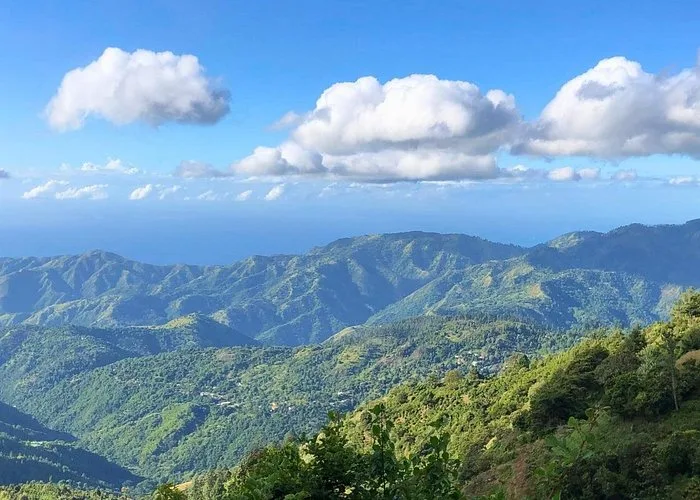
If you ask hikers in Jamaica for the one trail that still carries real myth around it, most will tell you the same thing: Blue Mountain Peak. It is the highest point on the island, the most iconic summit hike in Jamaica, and one of the few local routes where the start time alone tells you this is serious.
The standard plan is simple on paper. Start from Whitfield Hall in the middle of the night, move through the forest to Portland Gap, and reach the summit in time for sunrise. In practice, that means cold air, long climbs, shifting visibility, and a descent that punishes people who thought the hard part ended at the top.
Blue Mountain Peak at a glance
- Elevation: 7,402 feet
- Region: Blue and John Crow Mountains
- Typical route: Whitfield Hall to Portland Gap to summit
- Difficulty: Challenging
- Best-known experience: Sunrise hike
- Best for: Fit hikers who want Jamaica’s classic summit day
The route most hikers use
Whitfield Hall is still the usual launch point for the peak hike. From there, hikers climb through forest toward Portland Gap, continue past Lazy Man’s Peak, and then push on to the true summit. The trail changes character as you go. Lower down, it feels sheltered and damp. Higher up, the vegetation tightens, the air cools, and the summit section starts to feel more exposed.
Most people remember three parts of the route:
- the steady climb before your body is fully awake
- the middle section where the darkness and pace can make time feel strange
- the summit push, when everyone suddenly gets quieter because the goal is finally close
The round trip is long enough that even strong hikers should treat it as an endurance day, not just a photo opportunity.
Why so many hikers start at 2 or 3 in the morning
Blue Mountain Peak is really two experiences. One is the climb itself. The other is the sunrise.
Starting around 2:00 or 3:00 a.m. gives most groups the best chance of reaching the top before dawn. That matters because conditions often become less clear later in the morning. By the time the sun is fully up, clouds can roll across the ridge and erase the wide views people came for.
An early start also helps with pacing. You are climbing the hardest section in cool temperatures instead of trying to force the whole day under stronger sun. On Jamaica’s lower trails, heat is the issue. On Blue Mountain Peak, timing is the issue.
What the terrain actually feels like
People who have never done the peak sometimes imagine a dramatic scramble from the start. It is not that. The trail is more of a sustained mountain grind.
Expect:
- muddy sections after rain
- tree roots and slick footing
- long stretches where patience matters as much as power
- colder air than first-timers expect
- fatigue on the descent, especially in the knees and feet
This is why footwear matters. A regular sneaker might survive an easy walk elsewhere, but Blue Mountain Peak is where grip and support start to matter for real.
Getting there from Kingston
Most groups reach the trailhead by driving up through the Blue Mountains toward Whitfield Hall. The trip from Kingston is manageable, but the road conditions are part of the planning, especially for first-timers driving in darkness or wet weather. Give yourself margin, not just for the drive time but for regrouping before the hike starts.
If you are staying overnight in the area, that can make the whole experience calmer. It reduces the pressure of a same-night drive and helps you start the trail fresher.
Fees, permits, and booking reality
Trail access and fee arrangements can change, so it is smart to verify current details with the Jamaica Conservation and Development Trust or the relevant operator before you travel. Do not rely on an old screenshot or a secondhand message from months ago.
The safer rule is this:
- confirm the current trail fee before you drive up
- ask where payment is handled
- check whether guide arrangements need to be made in advance
- ask about current trail or road conditions, especially after heavy weather
That extra call can save you a wasted trip.
Should you hire a guide?
Strong, experienced hikers sometimes ask whether a guide is absolutely required. The better question is whether a guide is worth it. For most people, yes.
A local guide helps with:
- route confidence in the dark
- pace management
- current conditions on the trail
- safety decisions if weather changes
- reducing the mental load on a long climb
If this is your first summit attempt, hiring a guide is a smart call, not a sign that you are underprepared.
What first-timers get wrong
Starting too late
If you miss the sunrise window, you still complete the hike, but you lose one of the defining parts of the experience and increase your chances of finishing the best section under poorer visibility.
Dressing like it is Kingston
The Blue Mountains can feel dramatically cooler than the city, especially before dawn. A light layer is not optional.
Underestimating the descent
People often save all their emotional energy for the summit. Then the downhill starts. The return trip is where tired legs, wet footing, and concentration lapses show up.
Bringing too little water or food
Blue Mountain Peak is not the place to test whether one small bottle can carry you through a long mountain effort.
What to pack
- trail shoes or boots with grip (hiking boots on Amazon)
- hydration bladder or 2–3 litre water bottle
- warm fleece or wind-resistant layer — the summit is cold before dawn
- headlamp or reliable light source (headlamps on Amazon)
- snacks you can eat quickly
- a charged phone
- compact rain poncho
- cash for fees or local arrangements
What to do before attempting the peak
If you are not sure you are ready, build up to it. That is the smartest way to approach mountain hiking in Jamaica.
A strong progression looks like this:
- Start with Holywell Nature Trails to get comfortable with cooler mountain conditions.
- Take on Cinchona Botanical Gardens if you want a harder climb and more sustained effort.
- Then plan Blue Mountain Peak once you know how your body responds to elevation, weather, and long descents.
Is Blue Mountain Peak worth it?
Yes, if you want the full mountain experience and you respect what the trail asks from you.
Blue Mountain Peak is not Jamaica’s prettiest hike every minute of the way. It is too long, too cold, too damp, and too tiring to pretend it is effortless. What it gives you instead is something stronger: a real summit morning, a sense of scale, and the satisfaction of standing at the top of the island after earning it.
If you want a gentler first step, start with our beginner’s guide to hiking in Jamaica or Holywell. If you want the full country overview first, use our complete guide to hiking in Jamaica.
FAQ
How hard is Blue Mountain Peak?
It is one of the most demanding mainstream hikes in Jamaica. The difficulty comes from the total time on trail, the early start, the elevation, and the tiring descent.
How long does Blue Mountain Peak take?
Most hikers should plan for a full outing rather than a quick summit trip. Group speed, weather, and breaks all affect the total time.
Can beginners hike Blue Mountain Peak?
Some can, but it should not usually be their first hike in Jamaica. A better approach is to build up through easier mountain trails first.