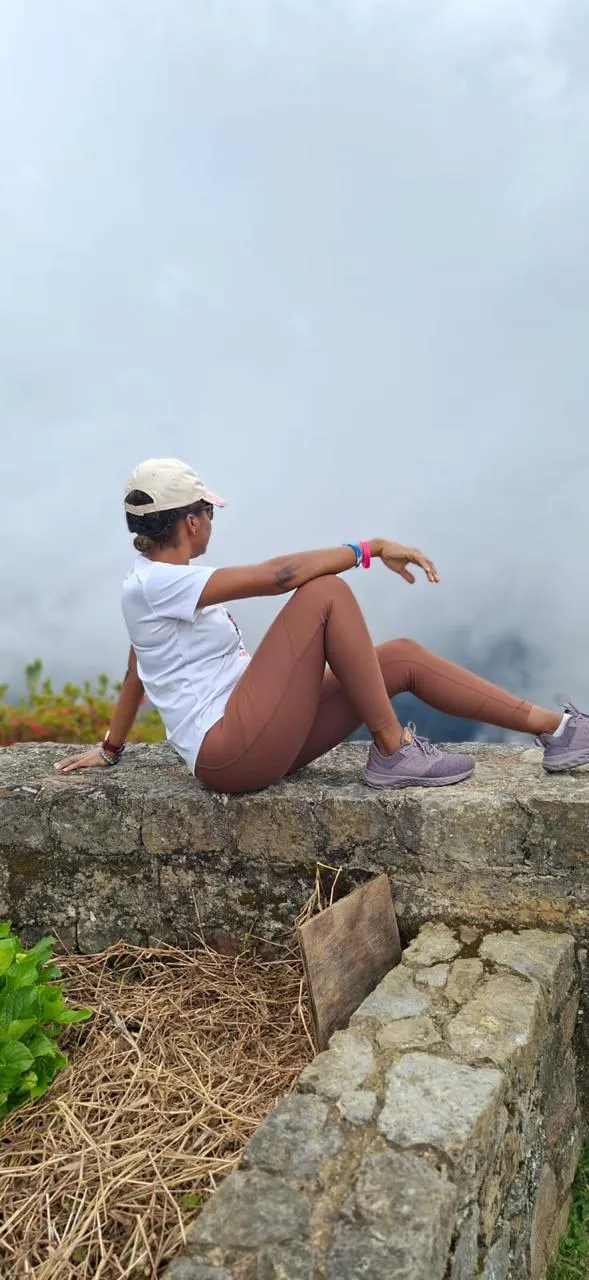
Every hike, without fail, someone in the group runs out of water before we reach the halfway point.
Every single hike.
Sometimes it’s a first-timer who didn’t know better. Sometimes it’s a regular who “thought this trail would be shorter.” Either way, by the time we’re climbing back up the last hill, they’re dragging. Complaining. Sometimes even turning back early because their body simply gave out.
And here’s the thing - it is so completely avoidable.
After years of leading hikes for Lifestyle Hikers across Jamaica, we’ve watched the same three mistakes catch hikers over and over again. Not because they’re careless people. But because nobody sat them down and explained why these three things matter more than anything else on the trail.
So let me do that right now.
Mistake #1: You Are Not Drinking Enough Water - You’re Just Sipping
The biggest problem I see on every single hike is dehydration.
Jamaica is not a mild climate. Even when you’re in the cool shade of the Blue Mountains, your body is working hard. You’re sweating. You’re exerting yourself. And if you’re not actively replacing what you’re losing, your performance drops fast.
Headache. Dizziness. Fatigue that hits like a wall.
Most hikers think they’re drinking enough because they brought a bottle of water and took a sip every now and then. But that’s not drinking enough - that’s sipping. There’s a massive difference.
The fix: Before every hike, calculate roughly 500ml of water for every hour you’ll be on the trail. For a 4-hour hike, that’s 2 litres minimum. And if it’s a hot day or a steep climb, bump that up. Actually, go ahead and bring more than you think you need - the hikers who never run out are always the ones who over-prepared.
Lifestyle Hikers regularly uses hydration packs on longer routes because having water accessible on your back changes everything about pacing. The CamelBak M.U.L.E. is one strong option - 3 litres of capacity, proven on trails worldwide, and comfortable on Jamaican terrain. If you’re on a tighter budget, this 2-litre hydration backpack is a solid option that gets the job done without breaking the bank.
One more thing - set a reminder on your phone if you have to. Drink before you feel thirsty. By the time you feel thirsty, you’re already dehydrated.
Mistake #2: You Are Getting Burned and You Don’t Even Realize It
Jamaica sits almost on the equator. The sun here is no joke.
I’ve seen hikers step off the trail with their ears bright red, their neck stinging, and their arms burning - and they had no idea it was happening. Why? Because the breeze on the mountain made it feel cool. The shade of the trees felt like enough.
But ultraviolet radiation doesn’t care if you feel cool. It penetrates cloud cover, it reflects off wet leaves, and it builds up over hours without you noticing the damage until it’s done.
Sunburn on a hike isn’t just painful - it ruins the experience. It makes the next day miserable. And over time, repeated exposure without protection adds up.
The fix: Sun protection is non-negotiable, every time, regardless of the weather or how “short” the hike might be.
Wear a wide-brim hat that covers your face, ears, and neck. I recommend a hat with UPF 50+ rating - the FURTALK wide-brim sun hat is foldable, lightweight, and blocks over 98% of UV rays. It packs into your bag easily so there’s no excuse not to bring it. On a budget? This cooling UPF50+ mesh cap is more affordable and still does the job well.
Beyond the hat - apply sunscreen. At minimum SPF 30, and reapply if you’re on a long hike. The back of your neck and your ears are the spots most people forget.
Mistake #3: You Are Not Replacing What You Lost After the Hike
So you made it through the hike. You hydrated on the trail, you wore your hat. Good.
But here’s where most hikers - even experienced ones - drop the ball: recovery.
Every time you exercise, your body loses electrolytes through sweat. Sodium, potassium, magnesium - these minerals are essential for muscle function, nerve function, and rehydration. When you sweat heavily and only drink water, you actually dilute the electrolytes in your bloodstream, which can make things worse.
This is why some people finish a hard hike and feel worse afterwards - nauseous, headachy, cramped up - even though they drank water the whole time.
The fix: Within 30 minutes of finishing your hike, replenish with electrolytes, not just water. This is especially important in Jamaica where heat exertion is high.
My personal go-to is REDMOND Re-Lyte Electrolyte Powder - it mixes into water, tastes good, and gives you a solid electrolyte hit after the trail. On a budget? These Himalayan Pink Salt ORS packets are incredible value - 80 individual WHO-formula sachets that you mix with water. I keep a stash in my hiking bag at all times. One packet in a bottle of water after a hike, and I recover so much faster.
If you really pushed hard, pair the electrolytes with a small snack with protein and carbs within the hour. Your body will thank you the next morning.
Put These Three Things Together
Here’s what happens when you get these three things right:
You start the trail properly hydrated. You drink consistently throughout. You come back without sunburn. And you recover properly afterward.
That combination doesn’t just make you feel better - it means you can hike again sooner, go further, and enjoy the experience more. These aren’t luxuries. They’re the foundation of everything else.
The gear recommendations above are the ones I use personally, or have tested with our Lifestyle Hikers group. I’ve linked both premium and budget options so you can choose what fits your situation. Either way - show up prepared.
The trails aren’t going anywhere. Make sure you’re in good enough shape to keep exploring them.
See you on the trail.
What’s the one hiking mistake you’ve personally made? Drop it in the comments - I’d love to hear what people have learned the hard way.